How Much Does It Cost to Build a New Garage? A Complete Guide to Garage Construction Costs
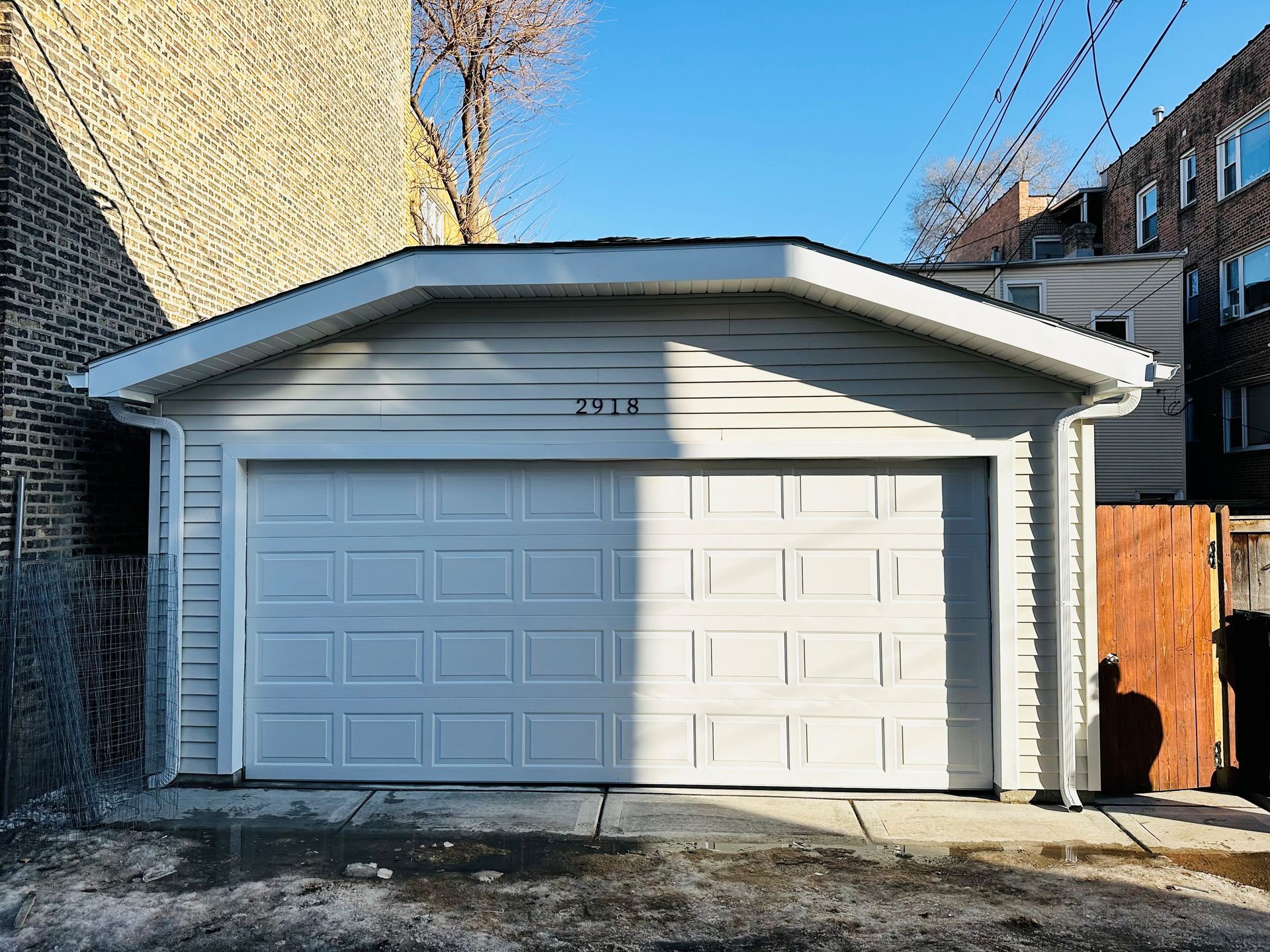
Building a new garage is a major home improvement project—and one that can add valuable storage, functionality, curb appeal, and even resale value to your property. But before you start choosing garage doors or picking out finishes, one of the biggest questions you’ll want answered is:
How much does it cost to build a new garage?
The answer depends on several factors, including the size of the garage, foundation requirements, materials, labor, electrical and plumbing needs, permits, site conditions, and the level of interior finishing you want.
At ALL IN SERVICE GROUP, LLC, we help homeowners plan and complete construction projects with a focus on quality workmanship, clear communication, and dependable service. In this guide, we’ll break down the major costs involved in building a new garage so you can better understand what to expect when planning your project.
What Is the Average Cost to Build a New Garage?
Garage construction costs can vary significantly from one project to another. A basic detached garage may cost considerably less than a large, fully finished garage with electrical, insulation, plumbing, heating, and additional living or workspace.
As a general planning range, homeowners may encounter garage construction costs of approximately $30,000 to $100,000 or more, depending on the project's size, design, materials, location, and features.
For example:
Single-car garage: Often the most affordable option, particularly with a simple design and standard finishes.
Two-car garage: A popular choice for homeowners who need vehicle storage plus additional space for tools, equipment, or hobbies.
Three-car or oversized garage: Costs more because of the additional foundation, framing, roofing, siding, doors, and interior space.
Finished or multifunctional garage: Adding insulation, drywall, heating, electrical upgrades, plumbing, storage, or finished flooring can substantially increase the overall investment.
Because every property is different, the best way to determine an accurate budget is to have the project evaluated based on your specific plans and site conditions.
1. Garage Size and Layout
The size of your garage is one of the biggest factors affecting construction cost.
A basic one-car garage requires less concrete, framing material, roofing, siding, and labor than a two- or three-car garage. However, square footage isn't the only consideration. The layout can also affect costs.
For example, a garage with:
- Multiple garage doors
- Higher ceilings
- Additional windows
- Storage areas
- A workshop
- A bathroom
- A separate entrance
- An attached living or office area
will generally require more planning, materials, and labor than a simple storage garage.
When designing your garage, it's important to think beyond how many vehicles you need to park. Consider how you intend to use the space five, ten, or even twenty years from now.
2. Foundation and Concrete Costs
A new garage needs a properly designed and constructed foundation. Depending on the site and local requirements, this may include excavation, grading, footings, a concrete slab, foundation walls, drainage considerations, and other site preparation.
Concrete costs can increase when:
The property has difficult soil conditions.
Significant excavation is required.
The site slopes considerably.
Existing concrete or structures need to be removed.
Additional reinforcement is needed.
The garage requires a more complex foundation system.
A strong foundation is one of the most important parts of a garage. Cutting corners during this stage can create expensive problems later, including cracking, settlement, drainage issues, and structural concerns.
3. Framing and Structural Work
Once the foundation is ready, the garage needs to be framed.
Framing costs are influenced by the size and design of the structure, lumber prices, roof configuration, wall height, garage door openings, windows, and structural requirements.
A simple rectangular garage with a standard roof design will generally be more straightforward to construct than a custom garage with multiple roof lines, large openings, or complex architectural details.
At ALL IN SERVICE GROUP, LLC, we believe the structure behind the finished walls matters just as much as what you see on the outside. Proper planning and quality construction help create a garage that's built for long-term use.
4. Roofing
Your garage roof is another significant component of the construction budget.
The total cost can depend on:
- Roof size
- Roof pitch
- Roof design
- Roofing material
- Ventilation requirements
- Flashing and waterproofing
- Removal of an existing roof or structure, if applicable
Asphalt shingles are a common choice, but homeowners may also consider other roofing materials depending on the home's existing roof, architectural style, budget, and local requirements.
Matching the garage roof to the existing house can also improve the overall appearance of the property.
5. Siding and Exterior Finishes
The exterior of your garage should complement your home while providing protection from the weather.
Common exterior options include vinyl siding, engineered wood products, fiber cement, brick, stone accents, and other materials.
Your siding choice can affect both the upfront construction cost and long-term maintenance requirements.
Don't forget about other exterior details, including:
- Exterior doors
- Windows
- Trim
- Gutters and downspouts
- Exterior lighting
- Soffits and fascia
- Garage door surrounds
A well-designed garage should look like it belongs with the rest of your property—not like an afterthought.
6. Garage Doors
Garage doors are both functional and highly visible, making them an important part of your project.
Costs vary based on the number and size of doors, construction material, insulation, windows, hardware, and opener systems.
A basic garage door may be relatively straightforward, while custom or heavily insulated doors can increase the budget.
You'll also want to consider the garage door opener, electrical requirements, and smart-home features if you want remote monitoring or control.
7. Electrical Work
Many homeowners want their new garage to do more than simply store vehicles.
Electrical work may include:
- Interior lighting
- Exterior lighting
- Electrical outlets
- Garage door openers
- Dedicated circuits
- Workshop equipment
- Refrigerators or freezers
- Security systems
- Electric vehicle charging
- Heating or cooling equipment
If you plan to use your garage as a workshop, home gym, hobby area, or other functional space, it's worth thinking about your electrical needs during the design stage rather than trying to add circuits later.
8. Plumbing
Plumbing isn't necessary for every garage, but it can be a valuable addition depending on how you plan to use the space.
For example, you may want:
- A utility sink
- A bathroom
- A floor drain
- Water for a workshop
- A hose connection
Adding plumbing can require additional excavation, utility connections, fixtures, and permitting, so it should be considered early in the planning process.
9. Insulation and Interior Finishing
A basic garage may only need unfinished walls and a concrete floor. However, homeowners who want a more comfortable and versatile space may choose to insulate and finish the interior.
Potential upgrades include:
- Wall insulation
- Ceiling insulation
- Drywall
- Painting
- Finished flooring
- Built-in storage
- Cabinets
- Workbenches
- Heating and cooling
If you're considering using the garage as a year-round workspace, insulation and climate control can make a major difference.
10. Permits, Design, and Inspections
Garage construction typically involves permits and inspections, although requirements vary by location and project.
Your project may involve costs associated with:
- Building permits
- Site plans
- Architectural or engineering services
- Zoning requirements
- Structural plans
- Inspections
- Utility approvals
These expenses are easy to overlook when creating an initial budget, but they should be included from the beginning.
11. Site Preparation and Demolition
The condition of your property can have a major impact on the total cost.
If you're replacing an existing garage or structure, demolition and disposal may be required before construction can begin.
Other potential site costs include:
- Tree or brush removal
- Excavation
- Grading
- Soil preparation
- Drainage improvements
- Utility relocation
- Removal of old concrete
- Access preparation for construction equipment
A contractor should evaluate the site before providing a final project price whenever possible.
What Can Make a Garage More Expensive?
Several factors can push a garage project beyond the initial budget. These may include:
Custom designs: Unique architectural features and complicated layouts require additional labor and materials.
Poor site conditions: Sloped lots, difficult soil, drainage problems, or limited access can increase preparation costs.
Higher-end materials: Premium siding, roofing, doors, windows, and finishes increase the investment.
Finished interiors: Turning a garage into a comfortable year-round workspace requires additional insulation, electrical, HVAC, drywall, flooring, and finishing work.
Plumbing: Adding a bathroom or utility sink can significantly increase construction complexity.
Utility upgrades: New electrical service or other utility work may be necessary for certain projects.
Unexpected conditions: Once excavation begins, previously hidden site conditions can sometimes be discovered.
How to Budget for a New Garage
Before construction begins, establish a realistic project budget based on what you want the garage to accomplish.
Start by determining:
How many vehicles will the garage hold?
How much storage space do you need?
Will you use it as a workshop or hobby area?
Do you need electricity beyond basic lighting and outlets?
Will you need plumbing?
Do you want the garage insulated and finished?
Do you need heating or cooling?
What exterior materials will match your home?
Are there existing structures that need to be removed?
What permits and approvals will be required?
Once these questions are answered, a contractor can develop a much more accurate scope of work and estimate.
Is Building a New Garage Worth the Investment?
For many homeowners, a new garage provides much more than vehicle storage.
A well-designed garage can provide:
- Additional storage
- Protection for vehicles
- Workshop space
- Hobby space
- Improved organization
- Better curb appeal
- Additional usable square footage
- Potential value to the property
The key is building a garage that fits your property, your needs, and your long-term plans.
Why Choose ALL IN SERVICE GROUP, LLC?
A garage is a substantial construction investment, so choosing the right contractor matters.
At ALL IN SERVICE GROUP, LLC, our goal is to provide dependable general contracting services while helping homeowners understand their options throughout the construction process.
We understand that every project is different. That's why we focus on discussing your goals, evaluating the scope of work, identifying potential challenges, and developing a plan that makes sense for your property and budget.
From the initial planning stages through construction and finishing details, our team is committed to quality workmanship and professional service.
Ready to Build Your New Garage?
If you're considering building a new garage, don't rely on a one-size-fits-all estimate you found online. The actual cost of your project depends on your garage's size, design, materials, site conditions, permits, utilities, and desired finishes.
ALL IN SERVICE GROUP, LLC can help you evaluate your project and determine what it will take to turn your garage plans into reality.
Contact ALL IN SERVICE GROUP, LLC today to discuss your new garage construction project and request a consultation.
Note: Garage construction costs vary by project, location, material selections, site conditions, and applicable building requirements. The cost ranges discussed in this article are general planning estimates and should not be considered a formal project quote.